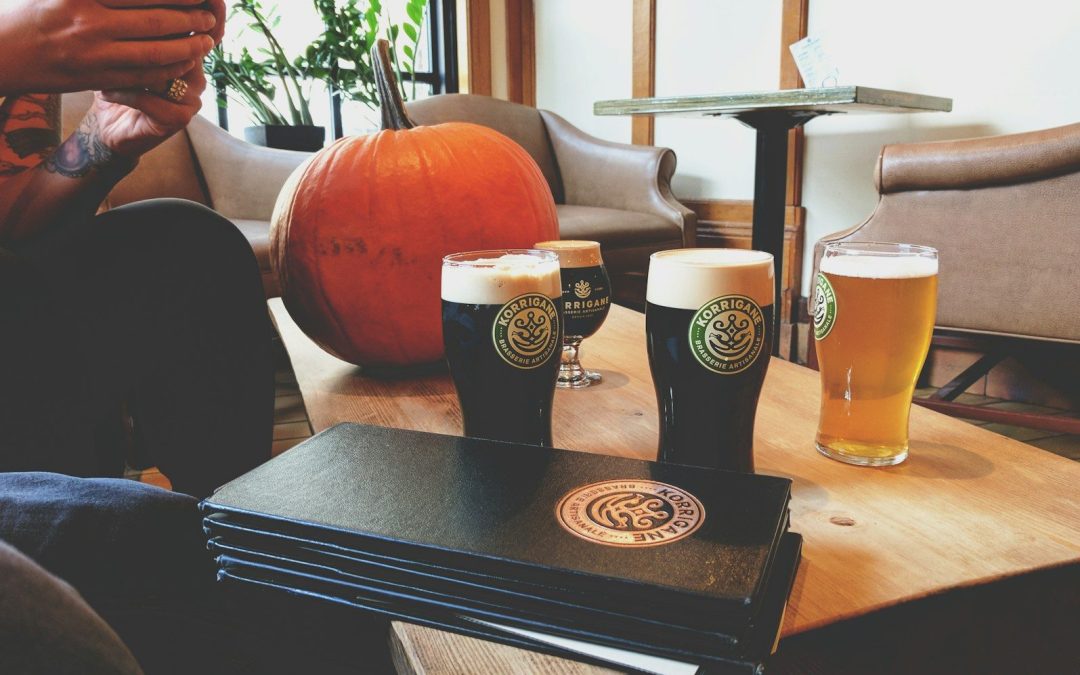
Every fall, pumpkin beer shows up on shelves and immediately splits the room. Some drinkers count down the days until it arrives. Others roll their eyes at the first sight of an orange label. The truth is that both camps have a point: the best pumpkin beers are layered, balanced, and genuinely delicious, while the worst taste like a scented candle dissolved in cheap lager. Knowing the difference makes the season a lot more enjoyable.
A Very Old American Idea
Pumpkin beer is not a modern marketing invention. In colonial times, pumpkin ales were common across the Northeast, where pumpkins were cheap and plentiful at a time when good malt was hard to come by. The earliest known written pumpkin ale recipe was published in 1771 by the American Philosophical Society, the Philadelphia institution founded by Benjamin Franklin. Those early versions were a matter of necessity, not delight. As Mental Floss explains in its history of pumpkin beer, colonists wanted the familiar beers of Europe but couldn't yet grow the ingredients.
The modern style traces back to California in the mid-1980s. Bill Owens of Buffalo Bill's Brewery had read that George Washington brewed with squash and pumpkin, so he grew a massive pumpkin, roasted it, and added it to the mash of his amber ale. When he tasted the result, he found almost no pumpkin flavor, so he added pumpkin pie spices to the finished beer, creating the first pie-spiced pumpkin ale in the country. That account comes from The New Brewer, the Brewers Association's trade magazine, and it explains a lot about what we drink today. The colonial versions were unspiced; the spice is what made pumpkin beer as we know it.
Is There Actually Pumpkin in It?
Not always. The revival leaned on baking spices rather than the pumpkin itself, and some of these beers never contained pumpkin at all. Owens himself is part of that story: after pilot batches brewed with real pumpkin, he found the classic pie spices were the key to the flavor, and the pumpkin was dropped from his production batches.
That doesn't mean real pumpkin is pointless. Roasted pumpkin can add body, a deeper orange color, and a soft, earthy sweetness that rounds out the spice. Brewers who use it well tend to roast it first to caramelize the sugars. If you care about the difference, check the label or the brewery's website, since many brewers proudly note when they use real pumpkin or squash.
For judging purposes, spiced fall beers like these generally fall under the BJCP's Autumn Seasonal Beer guidelines, which treat them as a base style enhanced by seasonal spices and ingredients rather than a single fixed recipe.
What a Great Pumpkin Beer Tastes Like
Author and brewing educator Randy Mosher offers a useful benchmark in his book excerpt Beer for All Seasons: Rise of the Pumpkin Pint. He describes a typical pumpkin beer as a deep orange-amber, moderate in strength, and only lightly hopped. At their best, he says, these beers show a complex but delicate spiciness, a creamy texture, rich caramel notes, and even a hint of actual pumpkin.
That word "delicate" is the key. A great pumpkin beer tastes like beer first. The malt should provide a toasty, bready backbone, the spice should sit on top of it rather than bury it, and the finish should invite another sip instead of coating your mouth.
Red Flags: How to Spot a Gimmick
The spice bomb. Overbearing spice is a constant subject of debate among beer drinkers because it can make a beer hard to finish. If the first sip tastes like a mouthful of cinnamon and clove with no malt underneath, the brewer overcorrected.
Artificial flavor. Some pumpkin beers rely on flavoring extracts that come across as perfumed or candy-like. A natural spice character tends to be warmer and more integrated.
Cloying sweetness. A little residual sweetness suits the style. A beer that tastes like syrup does not.
Thin body. Pie spices with nothing behind them read as a watery novelty. Look for beers with enough malt to carry the flavor.
Old stock. Seasonal creep means pumpkin beers sometimes hit shelves in late summer. Spice aromas fade quickly, so the fresher the better. Check the canned-on or bottled-on date and avoid anything that has been sitting since August.
Beyond the Pie: Styles Worth Trying
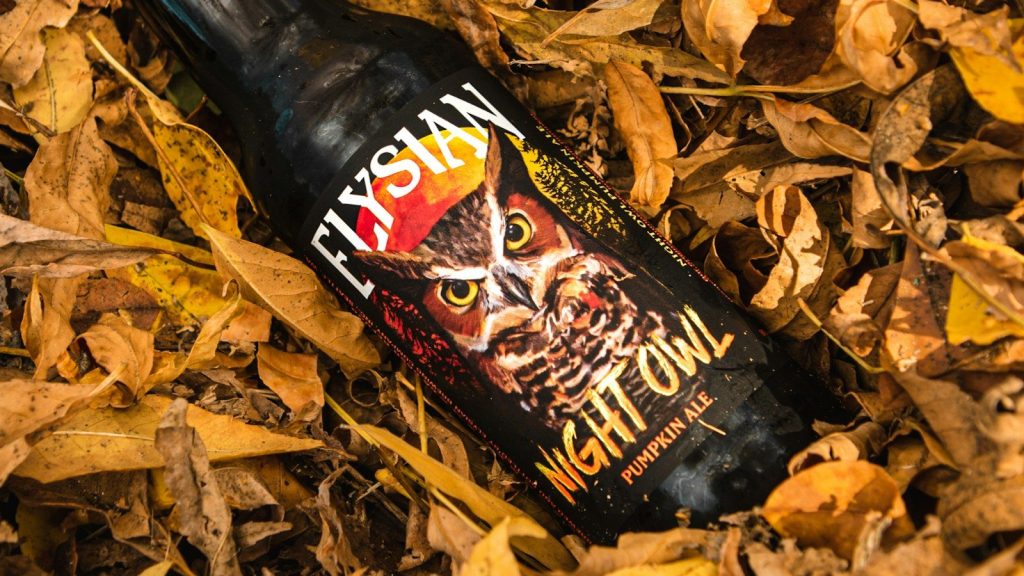
Pumpkin works in more than just amber ales. Dark beers are a natural fit, since roasted malt plays well with baking spice, so pumpkin porters and stouts are often among the most satisfying examples. Brewers have also pushed the idea into sour, farmhouse, and coffee territory. Examples have included Jolly Pumpkin La Parcela, a farmhouse ale, and Elysian Punkuccino, a coffee ale. If traditional pumpkin ales have never won you over, one of these less conventional takes might.
How to Serve and Pair It
Skip the ice-cold pint. Serving pumpkin beer around 45 to 55°F lets the spice and malt open up. A tulip glass or a classic pint glass both work well. The cinnamon-sugar rim some bars offer is fun once, but it tends to mask the beer itself.
At the table, pumpkin beer shines alongside roast pork, turkey, butternut squash soup, and sharp cheddar. For dessert, you can match it with pumpkin pie for a full-on autumn moment, or contrast it with something savory like a cheese board to let the spice stand out.
Tell Us Your Favorite
Pumpkin beer is one of the most personal styles out there, and everyone has a favorite or a horror story. Which pumpkin beer is worth seeking out this year, and which one should everyone avoid? Leave a comment below, send us an article about your favorite fall release, and join the network to connect with fellow beer lovers.
© 2026 by YourBeerNetwork.com All rights reserved. No part of this document may be reproduced or transmitted in any form or by any means, electronic, mechanical, photocopying, recording, or otherwise, without prior written permission.
Disclaimer: This article is for informational and entertainment purposes only. Beer availability, recipes, and release dates vary by brewery and region. Please enjoy alcohol responsibly and only if you are of legal drinking age.
