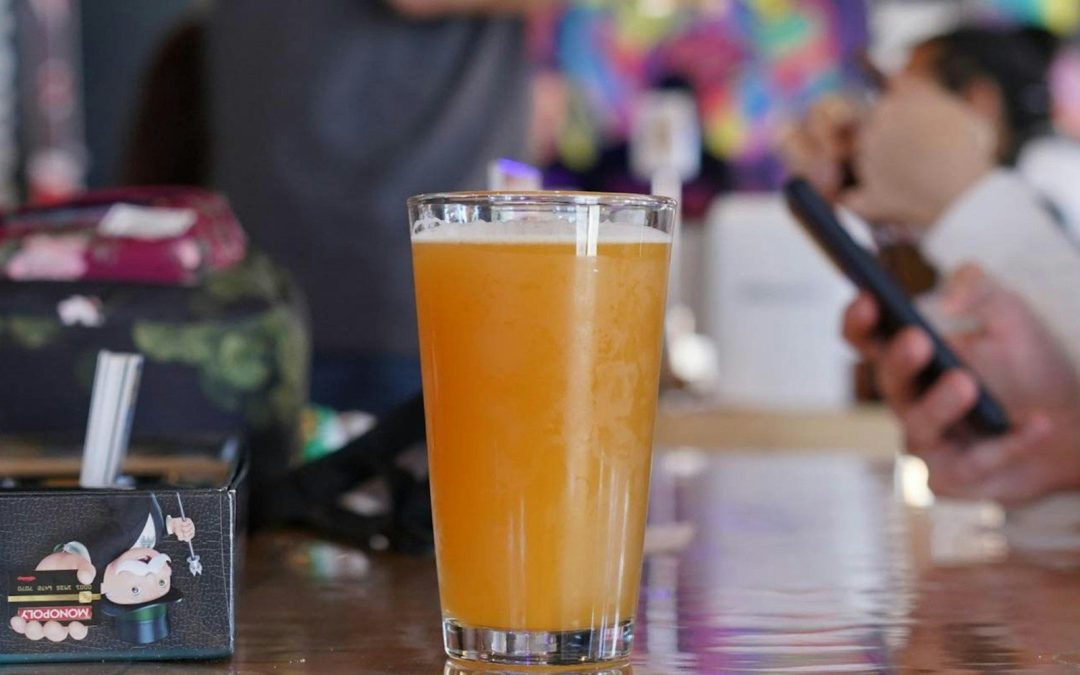
Walk into almost any taproom in America and the IPA list will be longer than everything else on the board combined. India Pale Ale has been the backbone of craft beer for more than a decade, and it keeps splitting into new branches: crystal clear and bitter, hazy and juicy, crisp and lager-like, big and boozy, light and sessionable.
That variety is exciting, but it can also be confusing. Two beers with "IPA" on the label can taste like completely different drinks. This guide breaks down the major IPA styles you will find on tap today, what makes each one unique, and how to figure out which ones suit your palate.
What Makes an IPA an IPA?
At its core, an IPA is a pale ale brewed with a generous amount of hops. Hops add bitterness, but they also deliver aroma and flavor: citrus, pine, tropical fruit, resin, flowers, or berries, depending on the variety and how the brewer uses them.
The style traces back to England in the late 1700s and 1800s, when brewers sent strong, well-hopped pale ales on the long voyage to British India. Hops act as a natural preservative, which helped the beer survive the trip. American craft brewers revived the idea in the 1980s and 1990s and pushed it in bold new directions with American hop varieties.
Today the name is more of a family label than a strict recipe. The Beer Judge Certification Program's IPA category even notes that it deliberately avoids spelling out "India Pale Ale," because most modern versions never had anything to do with India, and plenty of them are not pale. What ties the family together is the spotlight on hops.
That focus is clearly working for drinkers. According to Circana data reported by Brewbound, IPA claimed 49.41% of off-premise craft beer dollar sales in 2024, nearly half of the entire craft segment.
English IPA: Where It All Started
The English IPA is the grandparent of the family, and it tastes more restrained than its American descendants. Expect a firm but not aggressive bitterness, a bready or biscuity malt backbone, and earthy, herbal, or floral hops from English varieties like East Kent Goldings and Fuggle.
English yeast often adds a light fruitiness, and the color can run from gold to light amber. If you enjoy balance over punch, this is a great style to explore, and a good reminder that "hoppy" does not have to mean "intense."
West Coast IPA: Crisp, Clear, and Bitter
The West Coast IPA is the style that built the American craft boom. Born in California, it is typically clear, golden to light amber, and finishes dry, which lets a bold hop bitterness linger on the palate.
Classic versions lean on piney, resinous, and grapefruit-like American hops, the so-called "C hops" such as Cascade, Centennial, Columbus, and Chinook. Newer examples often layer in modern varieties for tropical and citrus notes while keeping the clean, dry finish. The BJCP American IPA guidelines describe it as the base for many of the modern variations covered below.
After years in the shadow of hazy IPAs, the West Coast style has enjoyed a strong comeback in many taprooms, especially among drinkers who want a beer that is crisp and refreshing rather than soft and sweet.
Hazy (New England) IPA: Soft and Juicy
Hazy IPAs took off in Vermont and the wider New England region in the 2010s and quickly spread nationwide. These beers look cloudy, sometimes almost like orange juice, thanks to oats, wheat, and flaked grains in the recipe, along with heavy late and dry hopping.
The flavor focuses on hop aroma rather than bitterness. Think mango, passion fruit, peach, and citrus, with a smooth, pillowy body and a soft finish. Bitterness is usually much lower than in a West Coast IPA, which makes hazies a popular entry point for people who think they do not like IPAs.
One tip: hazy IPAs are best fresh. Their delicate hop aromas fade quickly, so check the canning date and drink them cold and soon.
Double and Triple IPA: Bigger in Every Way
A Double IPA (also called an Imperial IPA) dials up everything: more malt, more hops, and more alcohol, usually somewhere around 7.5% to 10% ABV. The extra malt is there mostly to carry the hops and the alcohol, so the best examples still finish fairly dry and dangerously drinkable.
Triple IPAs push even further, often landing above 10% ABV. Both styles come in West Coast and hazy versions. They are best enjoyed slowly, in smaller pours, and shared with friends.
Session IPA: All the Hops, Less Alcohol
Session IPAs deliver big hop aroma in a lighter package, usually under 5% ABV. The goal is a beer you can enjoy over a long afternoon at a backyard barbecue or a ballgame without feeling weighed down.
Because there is less malt to balance the hops, a well-made session IPA is a real test of a brewer's skill. The best ones stay flavorful and refreshing without tasting thin or harsh.
Cold IPA and Other Modern Variations
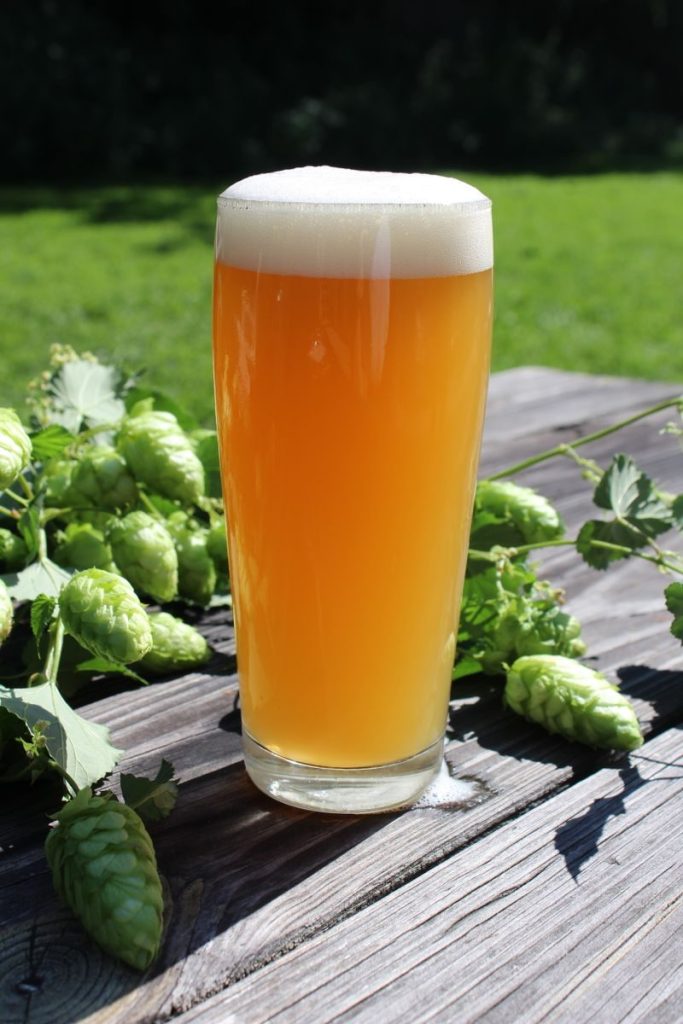
The newest major branch is the Cold IPA. It is generally credited to brewmaster Kevin Davey of Wayfinder Beer in Portland, Oregon, whose Relapse Cold IPA was named a Beer of the Year by Craft Beer & Brewing in 2020, as discussed in the magazine's podcast interview with Davey. A Cold IPA uses lager yeast fermented at warmer ale temperatures, along with adjuncts like rice or corn, to create an extra crisp, bone-dry beer that puts the hops in sharp focus. If you love West Coast IPAs, give one a try.
Beyond that, the IPA family includes several specialty spins worth knowing:
- Black IPA: Dark in color from roasted malts, but still hop-forward, with only a light touch of roast.
- Red IPA: Amber to red, with more caramel malt sweetness to balance the hops.
- White IPA: A cross between an American IPA and a Belgian witbier, often with orange peel and coriander.
- Rye IPA: Adds rye malt for a spicy, grainy edge.
- Brut IPA: Extremely dry and highly carbonated, inspired by sparkling wine. It had a big moment around 2018 and still turns up on occasion.
- Fruited and Milkshake IPAs: Hazy IPAs brewed with fruit, vanilla, or lactose for a sweeter, dessert-like profile.
How to Find Your IPA Style
Use this quick reference as a starting point. ABV ranges are typical, and individual beers can fall outside them.
| Style | Typical ABV | Bitterness | Look | Try It If You Like |
|---|---|---|---|---|
| English IPA | 5% to 7.5% | Moderate | Gold to light amber, clear | Balanced, malty beers |
| West Coast IPA | 6% to 7.5% | High | Golden, clear | Pine, citrus, a dry finish |
| Hazy IPA | 6% to 9% | Low | Cloudy, pale yellow to orange | Juicy, tropical, smooth |
| Double IPA | 7.5% to 10% | High | Gold to amber | Bold flavor and strength |
| Session IPA | Under 5% | Moderate | Pale, clear or hazy | Easy drinking with flavor |
| Cold IPA | 6% to 7.5% | Moderate to high | Very pale, brilliantly clear | Crisp lagers and West Coast IPAs |
A few tasting tips will help you sharpen your palate:
- Order a flight. Many taprooms offer sample pours. Try a West Coast, a hazy, and a Cold IPA side by side to feel the differences.
- Check freshness. IPAs are not built for aging. Look for a canned or packaged date and aim for beer that is only a few weeks old.
- Use the right glass. A tulip or IPA glass helps concentrate hop aroma.
- Do not over-chill. Serving around 45 to 50°F lets the hop aromas come through.
- Take notes. Jot down the hops listed on the can. Over time you will notice which varieties you reach for again and again.
The Final Pour
The beauty of the IPA family is that there is a version for nearly every beer lover. Whether you prefer the old-school balance of an English IPA, the bitter snap of a West Coast, the juicy softness of a hazy, or the crisp bite of a Cold IPA, exploring the range is half the fun.
Now we want to hear from you. What is your go-to IPA style, and which beer made you fall in love with hops? Share your pick in the comments, send us an article about your favorite brewery, and join the YourBeerNetwork.com community to connect with fellow beer lovers.
Please enjoy beer responsibly. You must be of legal drinking age in your area to purchase or consume alcohol. Style descriptions and ABV ranges are general guidelines, and individual beers vary by brewery.
© 2026 by YourBeerNetwork.com All rights reserved. No part of this document may be reproduced or transmitted in any form or by any means, electronic, mechanical, photocopying, recording, or otherwise, without prior written permission.
