For decades, non-alcoholic beer was a punchline. It was the thin, sweet, faintly cardboard can you drank when you had no other choice. That reputation is now badly out of date.
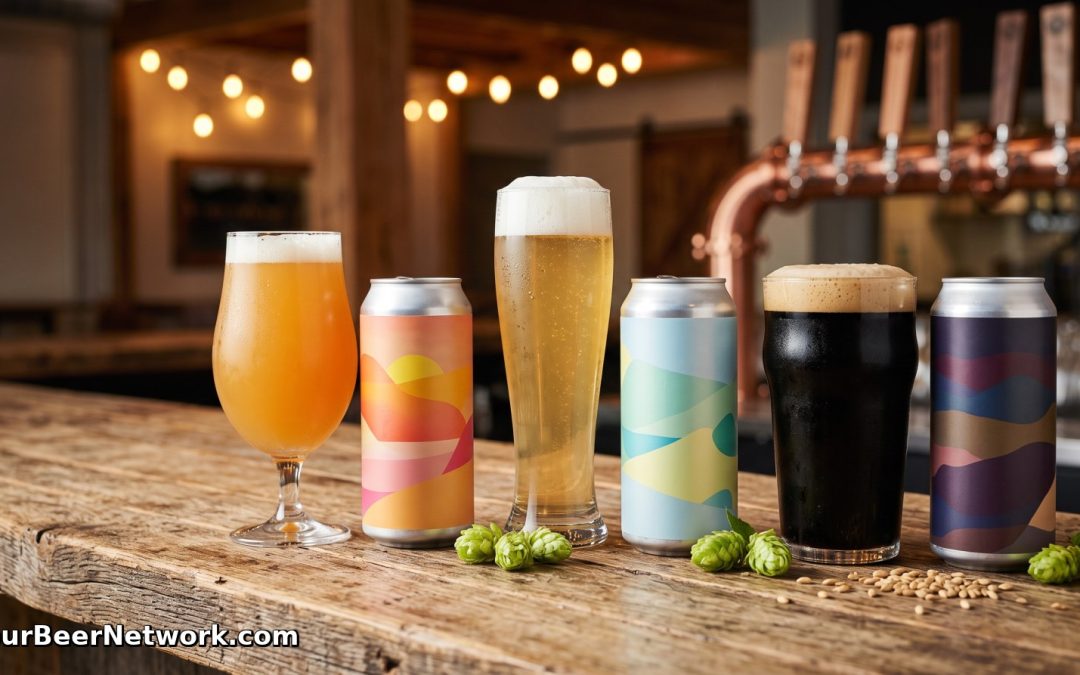
Today you can find alcohol-free hazy IPAs bursting with tropical hops, roasty NA stouts, crisp Czech-style lagers, and even tart fruited sours. Dedicated NA breweries have built national brands, and many well-known craft breweries now keep at least one alcohol-free beer on the menu.
Whether you are taking a break, driving home, training for a race, or just want one more beer without the buzz, this guide explains what NA beer actually is, how brewers make it, why it finally tastes good, and which styles are worth your time.
What Counts as Non-Alcoholic Beer?
In the United States, "non-alcoholic" and "alcohol-free" are legal terms, and they do not mean the same thing. Under the federal malt beverage labeling rules in 27 CFR 7.65, the line sits at half a percent.
| Label term | What it means | What the label must say |
|---|---|---|
| Non-alcoholic | Less than 0.5% ABV | "Contains less than 0.5% alcohol by volume" printed right next to the term |
| Alcohol-free (often shown as 0.0%) | No alcohol at all | A 0.0% claim is allowed only on alcohol-free products |
| Low or reduced alcohol | Less than 2.5% ABV | Still an alcoholic beverage |
Because federal rules define beer as 0.5% ABV or more, most NA products are technically labeled as a "malt beverage" or "brew" rather than beer. If you see a can marked 0.0%, the brewer is claiming the beer contains no measurable alcohol. A can marked "less than 0.5%" may contain a trace.
How Brewers Make NA Beer
There are two basic approaches, as the Brewers Association's The New Brewer explains: stop the alcohol from forming, or remove it after fermentation. Many brewers now combine methods to get the best flavor.
| Method | How it works | Trade-offs |
|---|---|---|
| Vacuum distillation | Brew a full-strength beer, then evaporate the alcohol under vacuum at low temperatures | Real beer base, but heat-sensitive aromas can be lost and the equipment is costly |
| Membrane filtration (reverse osmosis) | Push finished beer through a fine membrane under pressure so the alcohol separates out | Uses pressure instead of heat, preserving more flavor; also expensive |
| Maltose-negative yeast | Special strains that eat simple sugars but cannot ferment maltose, the main sugar in wort | Affordable for small breweries, though beers can taste sweet or "worty" |
| Arrested or cold fermentation | Chill the beer or remove the yeast early, before much alcohol forms | Simple, but often leaves unfermented sugars behind |
The yeast route has been a game changer for small craft breweries. Yeast labs now sell strains bred specifically for NA brewing, such as the maltose-negative options described by Escarpment Laboratories. That lets a brewery make NA beer without investing in a dealcoholization system.
One catch: alcohol is a natural preservative. Without it, NA beer is more vulnerable to spoilage, so brewers rely on pasteurization, sterile filtration, or strict cold handling to keep it safe and stable.
Why NA Beer Finally Tastes Good
The old NA beers were mostly mass-market lagers stripped of alcohol with harsh, heat-heavy methods. What came out was thin, sweet, and flat on flavor. Three changes turned that around.
Better tools. Gentler dealcoholization and NA-specific yeasts protect more of the malt and hop character that older methods cooked off.
Craft brewing techniques. Alcohol adds body and warmth, so brewers have learned to replace it. Oats, wheat, specialty malts, and unfermentable sugars rebuild mouthfeel, while generous late hopping and dry hopping deliver big aroma without adding alcohol.
Bold styles. An IPA loaded with citrusy, piney hops or a roasty stout has plenty of flavor to carry a beer without the booze. That is why so many of the best NA beers today are hop-forward or dark, rather than delicate light lagers.
If your last NA beer was a decade ago, you are in for a surprise.
NA Beer Styles to Try
Almost every major beer style now has a credible alcohol-free version. The examples below all appear on VinePair's 2026 list of the best non-alcoholic beers, which is a good starting shopping list.
| Style | What to expect | Examples to look for |
|---|---|---|
| West Coast IPA | Piney, citrusy, crisp, and bitter | Athletic Brewing Run Wild IPA, Brooklyn Brewery Special Effects IPA |
| Hazy IPA | Juicy tropical fruit, soft body | Sierra Nevada Trail Pass Hazy IPA, BERO Edge Hill Hazy IPA, RationAle Hazy IPA |
| Lager and pilsner | Clean, bready, refreshing | Heineken 0.0, Bitburger 0.0% Drive, Designated Dale's NA Pils |
| Wheat and golden ales | Light, bready, easy drinking | WellBeing Heavenly Body Golden Wheat, Best Day Kölsch Style, Partake Blonde |
| Stout and porter | Roast, coffee, chocolate | Guinness 0, Deschutes Black Butte NA |
| Fruited sour | Tart, fruity, refreshing | Eighteen Twenty Brewing All That Razz |
A Long Island pick: Montauk Brewing, out on the East End, makes an NA IPA brewed with Citra and Mosaic hops. It is a balanced, malt-forward take that is easy to find around the island and a natural choice for a beach day.
Our tip: if you are new to NA beer, start with the style you already love. IPA fans tend to be pleasantly surprised first, because hops carry so much of the flavor. If you want a refresher on the styles themselves, see our guide to IPA styles explained.
Who's Drinking It, and Why
NA is no longer a niche. NielsenIQ reported $925 million in U.S. off-premise sales of non-alcoholic beer, wine, and spirits, up 22% year over year, and projected the category would pass $1 billion by the end of 2025. Beer makes up the large majority of those sales.
The growth has continued into 2026. Beer Marketer's Insights reported NA beer dollar sales up about 17% year to date through mid-July in Circana data, even as total beer softened.
The most interesting finding is who is buying. NielsenIQ found that 92% of non-alcoholic buyers also buy alcoholic drinks. In other words, most NA drinkers are not quitting beer. They are mixing it in.
Common reasons people reach for an NA beer:
- Driving, working the next morning, or staying sharp at a long event
- Training, fitness goals, or cutting back on calories
- Taking a break, such as Dry January or a "sober-curious" month
- Pacing a long night by alternating full-strength and NA beers
- Enjoying the taste of beer without the effects of alcohol
Good Things to Know Before You Buy
Calories are usually lower, but not zero. Removing alcohol cuts calories, and many NA brands aim to stay under 100 per can. Some go much lower: Partake's blonde ale comes in at just 15 calories. Sweeter or fuller-bodied NA beers can carry more sugar, so check the label.
Fresh is best. Because there is no alcohol to help preserve it, NA beer is more delicate than regular beer. Buy from shops with good turnover, keep it cold when you can, and drink hoppy NA beers soon after you buy them.
Most NA beer still contains gluten. It is usually brewed from barley malt, so look for beers specifically labeled gluten-free or gluten-reduced if that matters to you.
"Non-alcoholic" may still contain a trace of alcohol. If you need to avoid alcohol entirely, look for "alcohol-free" or 0.0% on the label. The American College of Obstetricians and Gynecologists advises that there is no known safe amount of alcohol during pregnancy, as noted by CCRM Fertility, so talk with your doctor before drinking any NA beer while pregnant.
For people in recovery, it is personal. For some, an NA beer is a helpful substitute. For others, the taste and ritual of beer can trigger cravings. If you are in recovery, consider talking it through with your counselor, sponsor, or doctor first.
How to Taste and Serve NA Beer
Treat NA beer like the craft beer it is, and it will reward you.
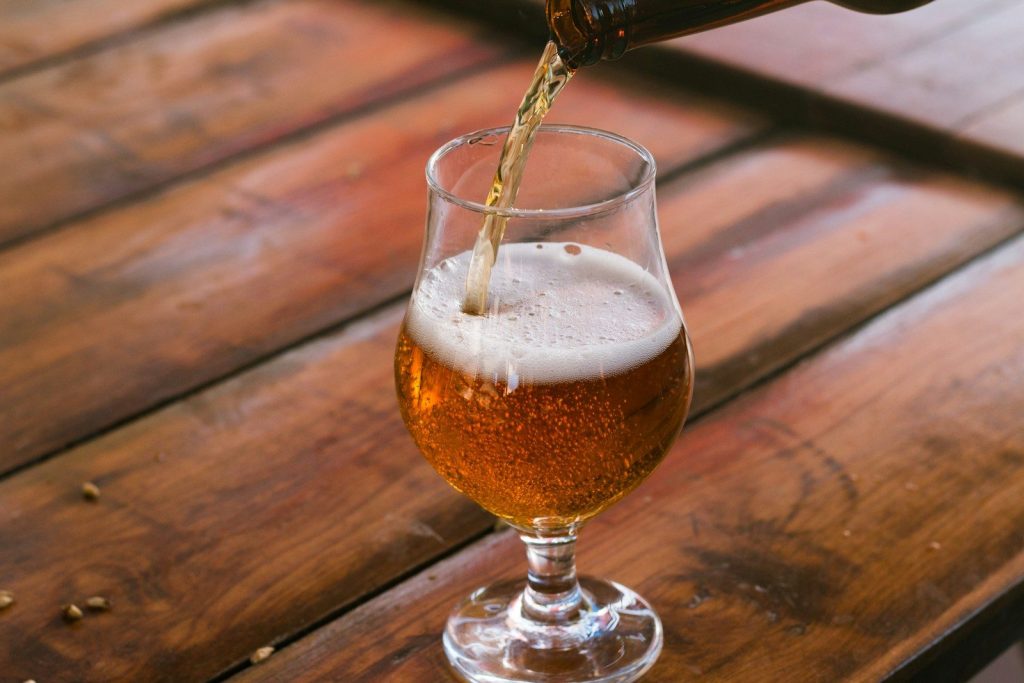
- Use a glass. Pouring releases aroma, which matters even more when there is no alcohol to carry it. A tulip or IPA glass works well for hoppy beers.
- Watch the temperature. Serve lagers and pilsners well chilled. Let stouts and porters warm slightly so the roast and chocolate notes open up.
- Judge it on its own terms. Instead of hunting for what is missing, focus on what is there: hop aroma, malt sweetness, bitterness, and finish.
- Try a side-by-side. Taste an NA beer next to its full-strength sibling, such as Guinness 0 and Guinness Draught. You may be surprised how close some get.
- Pair it with food. The classic rules still apply. NA IPAs cut through spicy food and burgers, NA stouts love chocolate desserts, and crisp NA lagers are made for pizza and seafood.
Raise a Glass, Any Glass
Non-alcoholic beer has earned its seat at the bar. Whether you drink it every day or just keep a few cans in the fridge for the drive home, today's NA options give you real beer flavor on your own terms.
Now we want to hear from you. What is your favorite NA beer, and which style surprised you most? Share your picks in the comments, or submit an article about your own NA discoveries to the Your Beer Network community.
© 2026 by YourBeerNetwork.com All rights reserved. No part of this document may be reproduced or transmitted in any form or by any means, electronic, mechanical, photocopying, recording, or otherwise, without prior written permission.
Disclaimer: This article is for general informational purposes only and is not medical advice. Product availability, recipes, and alcohol content may change. If you are pregnant, in recovery, or have a medical condition, consult a qualified healthcare professional before drinking any non-alcoholic beer. YourBeerNetwork.com was not compensated by any brand mentioned in this article.
